


Essential Marketing Knowledge Awaits
In today's digital environment, a company's website is often its most important marketing asset. A well-built website not only communicates your brand but also influences SEO performance, user experience and long-term scalability.
Two platforms dominate the modern website ecosystem: WordPress and Webflow. Each offers different advantages depending on the type of project, the level of customization required and the way a business plans to manage its website.
Understanding the differences between these platforms allows companies to make smarter decisions when investing in their digital presence.
WordPress: The Most Widely Used Website PlatformInsights and Strategies
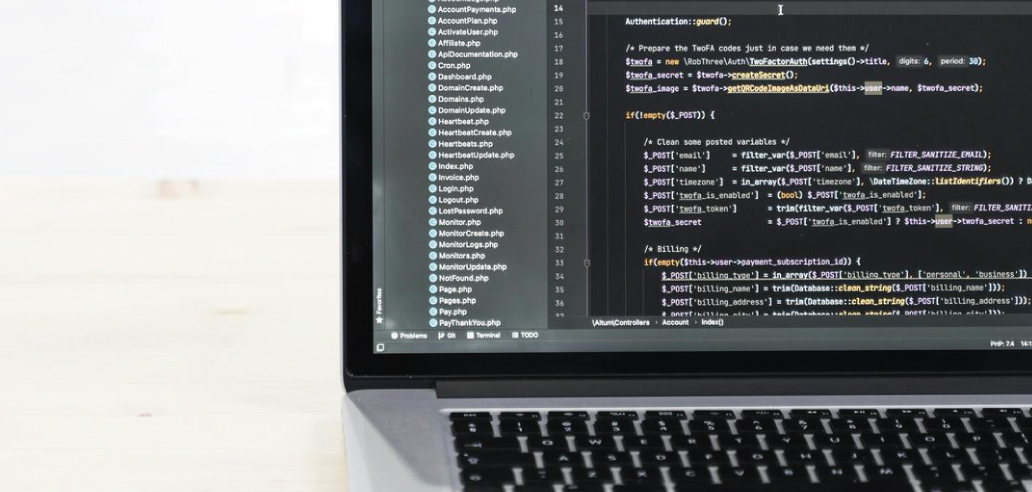
WordPress powers more than 40% of all websites on the internet, making it the most widely used content management system in the world.
Its popularity comes from its flexibility and the vast ecosystem of plugins, themes and integrations available. WordPress can be used for blogs, corporate websites, e-commerce platforms and large digital publications.
Advantages of WordPress include:
• Large ecosystem of plugins and themes
• Highly customizable development possibilities
• Strong community support
• Flexibility for complex websites
However, WordPress also requires ongoing maintenance. Security updates, plugin compatibility and hosting configuration can become complex for businesses without technical support.
Webflow: A Modern Approach to Web DesignThe Fixed Enormity, This Thousands Turner
Webflow represents a newer generation of website platforms that combine visual design tools with professional-level development capabilities.
Instead of relying heavily on plugins, Webflow allows designers to build fully custom websites visually while generating clean HTML, CSS and JavaScript in the background.
Key advantages of Webflow include:
• High performance and fast loading speeds
• Built-in hosting and security
• Visual design control without coding
• Clean and SEO-friendly code structure
Webflow is particularly attractive for startups, creative studios and businesses that want a highly customized website without the complexity of maintaining multiple plugins and external systems.
When Should You Choose WordPress?
WordPress is often the best option for projects that require complex integrations or large content ecosystems.
It can be particularly advantageous when building:
• Large blogs or media platforms
• E-commerce websites with extensive product catalogs
• Membership platforms or learning management systems
• Websites requiring very specific third-party integrations
For businesses with technical teams or developers managing the platform, WordPress offers unmatched flexibility.
When Webflow Is the Better Choice
Webflow is often the preferred solution for modern marketing websites, brand-focused projects and companies that prioritize design and performance.
It works especially well for:
• Corporate websites
• Startup landing pages
• Portfolio websites
• Brand-driven websites
• Businesses that want fast, secure websites without maintenance
Because hosting, security and performance are built directly into the platform, Webflow significantly reduces the technical overhead required to manage a website.
Both WordPress and Webflow are powerful platforms, but the right choice depends on the nature of your project.
WordPress remains a strong solution for large and complex websites requiring extensive customization. Webflow, on the other hand, offers a modern and streamlined approach to website design, combining performance, visual control and ease of management.
For many modern businesses focused on brand presence, speed and flexibility, Webflow has become an increasingly attractive alternative.