



The Metrics That Feel Important but Rarely Are
Follower count is the most visible metric on any social profile, and the most misleading. A business page with 15,000 followers and no enquiries is not outperforming a page with 800 followers that generates five leads a week. Yet many business owners still treat the first scenario as a success.
Likes follow a similar pattern. A post with hundreds of likes may look effective, but if none of those users clicked a link, visited the website or contacted the business, the engagement produced nothing beyond a momentary reaction.
These are commonly referred to as vanity metrics. They are satisfying to report but rarely correlate with revenue, trust or customer acquisition.
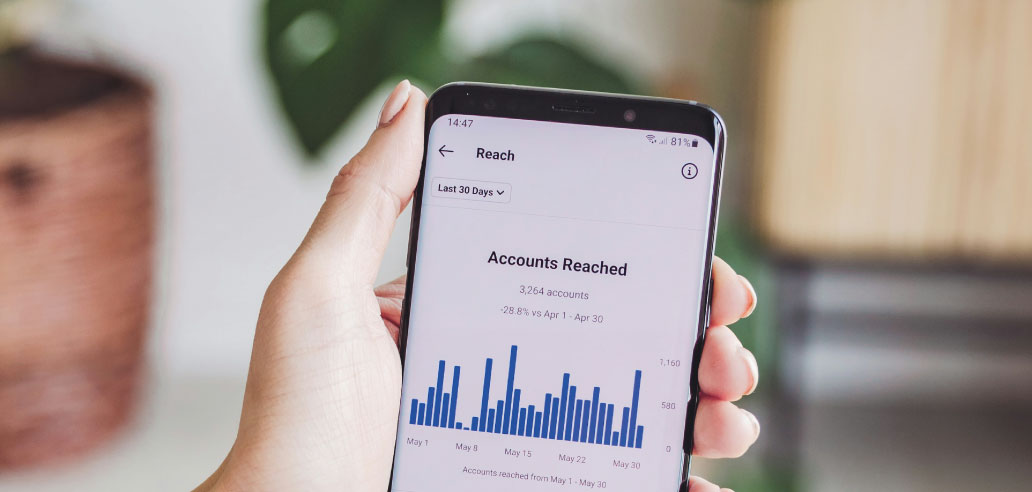
Reach, when measured in isolation, falls into the same category. A post can reach 50,000 people and still produce zero results if the audience it reached was never the right one.
Do You Know Who You Are Talking To?
Before evaluating any metric, a business should be able to answer three questions with confidence. Who is my audience? What does that audience need to hear from me? And is the content I publish aligned with those needs?
In practice, many companies skip this step entirely. They publish what is convenient, not what is relevant. The result is content that attracts attention from the wrong people, or no attention at all.
A restaurant posting generic motivational quotes will generate likes from people who will never visit. A consultancy sharing only internal team photos may get reactions from friends and family but not from potential clients.
The content may be well produced, but if it is aimed at nobody in particular, the analytics will always be hollow.

What the Algorithm Actually Rewards Now
The way platforms distribute content has changed significantly. Instagram, for example, no longer relies primarily on likes to determine how widely a post is shown. According to Instagram head Adam Mosseri, the three signals that matter most are watch time, likes relative to reach, and sends relative to reach. Of these, watch time is the single most important factor across the platform.
A save indicates that someone found the content valuable enough to return to later. A share sent through direct messages signals that the content was relevant enough for someone to recommend it personally. When it comes to reaching new audiences beyond existing followers, these sends carry significantly more weight than a simple like.
This shift has practical consequences. A post that generates a high volume of saves and shares will consistently reach more new people than a post with far more likes but little meaningful action behind them. The algorithm is no longer measuring popularity. It is measuring usefulness.
For businesses, this means one thing: content that is designed to be saved, shared or forwarded will outperform content designed to be liked.
The Metrics Worth Tracking
If vanity metrics tell a business how visible it is, useful metrics tell it whether that visibility is working.
Save rate shows whether content is perceived as valuable. Share rate shows whether it is relevant enough to be recommended. Profile visits after a post indicate curiosity about the brand. Link clicks measure intent. And direct messages or enquiries that follow a piece of content are the clearest sign that it produced a business result.
None of these require large audiences. A small, well-targeted account with high save and share rates will consistently outperform a large account with high reach and low action.
The goal is not to be seen by everyone. It is to be useful to the right people.
Content That Performs Is Content That Serves
When a business understands its audience and creates content that addresses real questions, solves real problems or provides genuinely useful information, the metrics follow naturally. The algorithm rewards it. The audience responds. The commercial results improve.
This does not require higher budgets or more frequent posting. It requires clarity about who the audience is and discipline in creating content for that audience rather than for the metrics dashboard.
Social media analytics are only as good as the strategy behind them. Without a clear understanding of the audience, even the best data leads to the wrong conclusions.