



The Illusion of Social Media Growth
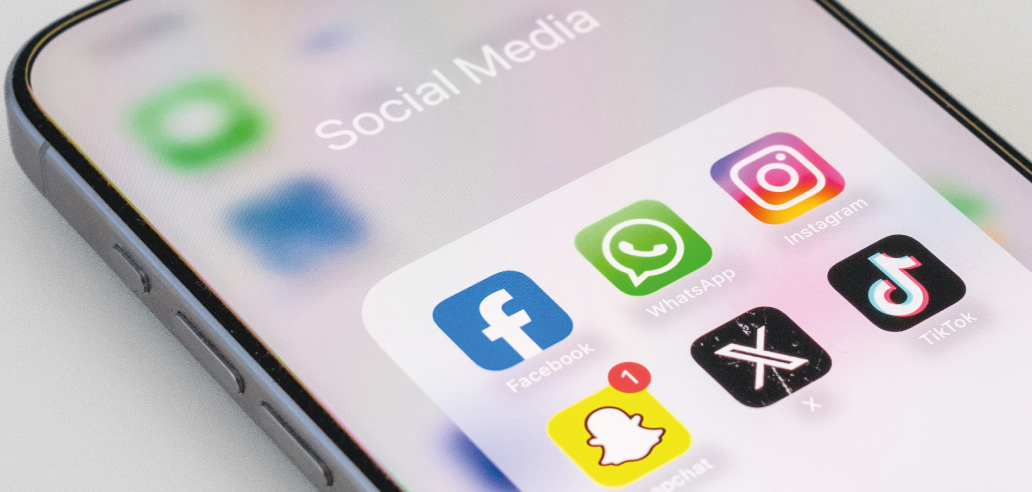
Social media has become one of the most popular channels for businesses looking to grow quickly. Platforms such as Instagram, LinkedIn and TikTok offer immediate access to large audiences, and the promise of rapid visibility can be very appealing.
However, visibility alone does not equal credibility.
Studies from Edelman’s Trust Barometer show that nearly 81% of consumers say trust is a deciding factor when choosing a brand. If a company’s identity appears inconsistent across platforms, for example, a modern Instagram presence but an outdated website, potential customers often hesitate to move forward.
This phenomenon is common: businesses invest in social media campaigns that attract attention, but when users click through to the website or explore the brand further, the experience becomes fragmented.
The result is lost opportunities.
Why Brand Consistency Matters
A strong brand works as a cohesive system. Every touchpoint, from social media to website, packaging and messaging , should feel connected.
According to Lucidpress research, brands that maintain consistent presentation across platforms can increase revenue by up to 23%.
Consistency builds familiarity, and familiarity builds trust.
This is why companies such as Apple, Nike or Airbnb invest heavily in maintaining a unified brand language. Whether a user sees a social media post, an advertisement or a website page, the experience always feels part of the same story.
For smaller businesses, the same principle applies.
If a company runs modern advertising campaigns but the website design, typography or messaging feel outdated, potential customers may question the credibility of the brand. In many cases, the investment in social media ends up amplifying the problem instead of solving it.

The Real Order of Digital Investment
Before allocating significant budget to social media campaigns, businesses should first ensure that their brand foundations are in place.
A strong digital presence typically follows a clear order:
1. A clear brand identity
2. Consistent visual language
3. A professional website
4. Aligned messaging across platforms
5. Scalable marketing campaigns
When these elements are aligned, marketing investment becomes significantly more effective.
In contrast, when social media is treated as the starting point rather than the amplifier, companies often struggle to convert attention into actual business results.
Social media should not replace brand strategy, it should amplify it.
When Social Media Actually Works
This does not mean businesses should avoid social media. On the contrary, platforms like Instagram and LinkedIn can be powerful growth channels when used strategically.
But they perform best when the underlying brand is strong.
Companies that invest first in refining their identity, updating their visual language, clarifying their positioning and building a coherent website, often see significantly better results when they later activate social media campaigns.
Instead of attracting curiosity alone, they attract confidence.
In other words, social media should be the amplifier of a well-built brand, not a substitute for it.
Building a Brand That Converts
For businesses looking to grow sustainably, the key is not simply increasing visibility but creating a brand that makes sense at every touchpoint.
Customers today move fluidly between platforms: they might discover a company through Instagram, search for its website on Google, read reviews or explore other digital channels before making a decision.
When all those interactions feel aligned, the brand becomes credible.
When they do not, trust quickly disappears.
Investing in brand clarity, design consistency and a strong digital presence ensures that every marketing effort — including social media — works as part of the same strategy.
In the long run, this integrated approach is what transforms attention into real business growth.