



What a Brand Refresh Actually Means
A brand refresh updates thevisual and communication layer of an existing brand without changing its coreidentity. The name stays, the positioning stays, and the underlying strategyremains intact.
The work focuses on modernisingthe logo, updating typography and colour, improving the visual system, andaligning the website and social media with the new direction.
It is the right choice when thebrand still has recognition and equity in the market, but the execution hasaged.
What a Rebranding Actually Means
A rebranding is a structural change. It revisits the brand strategy itself, including positioning, target audience, tone of voice, and in some cases the name.
This is the right path when the business has changed significantly, when the current brand no longer represents what the company does, or when a merger, acquisition or market repositioning requires a new identity altogether.
A rebranding carries more weight. It affects how clients, partners and employees perceive the company, and it requires a migration plan rather than a simple update.

How to Decide Between Them
The decision usually comes downto three questions.
First, is the current brandstill aligned with what the business does today? If the answer is yes, arefresh is likely enough. If the answer is no, a rebranding should beconsidered.
Second, is the problem visual orstrategic? Outdated design points to a refresh. A mismatch between how thecompany operates and how it is perceived points to a rebranding.
Third, what is the risk ofchanging the name or core identity? Established brands often have value incontinuity. Removing that value should only happen when the gain clearlyoutweighs the loss.
Why the Wrong Choice Is Costly
Choosing a full rebranding whenonly a refresh was needed wastes budget, disrupts recognition and introducesunnecessary risk. Existing clients may feel disconnected from a brand they nolonger recognise, and the commercial momentum can slow down during thetransition.
The opposite is equallydamaging. Running a refresh when the underlying strategy is the real problemproduces a more attractive version of the same confusion. The design improves,but the business results do not.
This is why the decision should start with adiagnosis, not a design brief.
The Process That Works
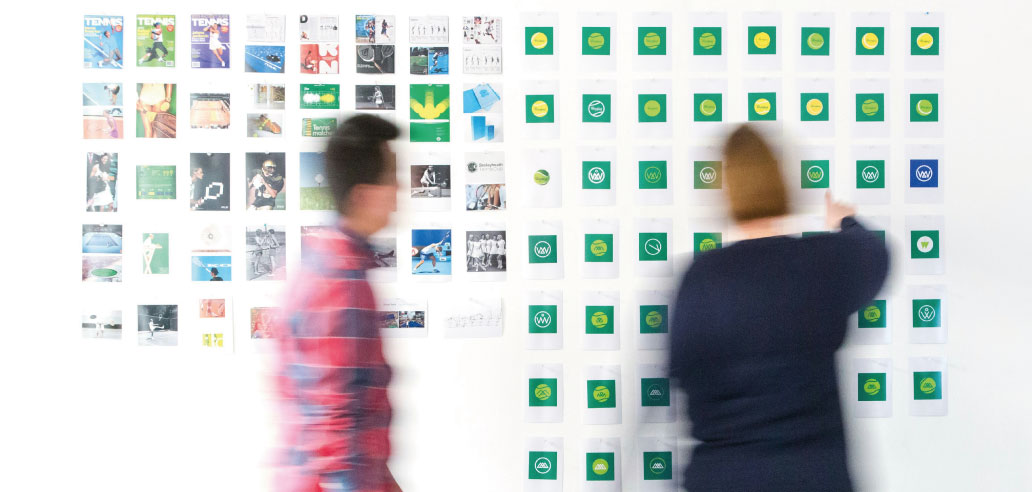
Both paths follow a similarstructure. The project begins with a brand audit to evaluate the current state,identify gaps and define what should be preserved and what should be replaced.
From there, the work moves intostrategy, visual identity, website and communication guidelines, depending onthe scope.
The goal is the same in bothcases: to align what the business is, what it says and how it looks. When thosethree layers match, the brand starts working commercially, regardless ofwhether the project was a refresh or a full rebranding.